


Tech Insights
Fundamentals of Explosion Protection
Explosion protection is essential in industries where flammable gases, vapors, or combustible dusts may be present, such as oil & gas, petrochemicals, manufacturing, and mining. The fundamental goal is to prevent explosions from occurring—and if they do occur, to minimize their impact. This involves a combination of engineering controls, safety systems, proper equipment, and certified practices that reduce ignition sources and contain potential hazards.
Hazardous Area Classification
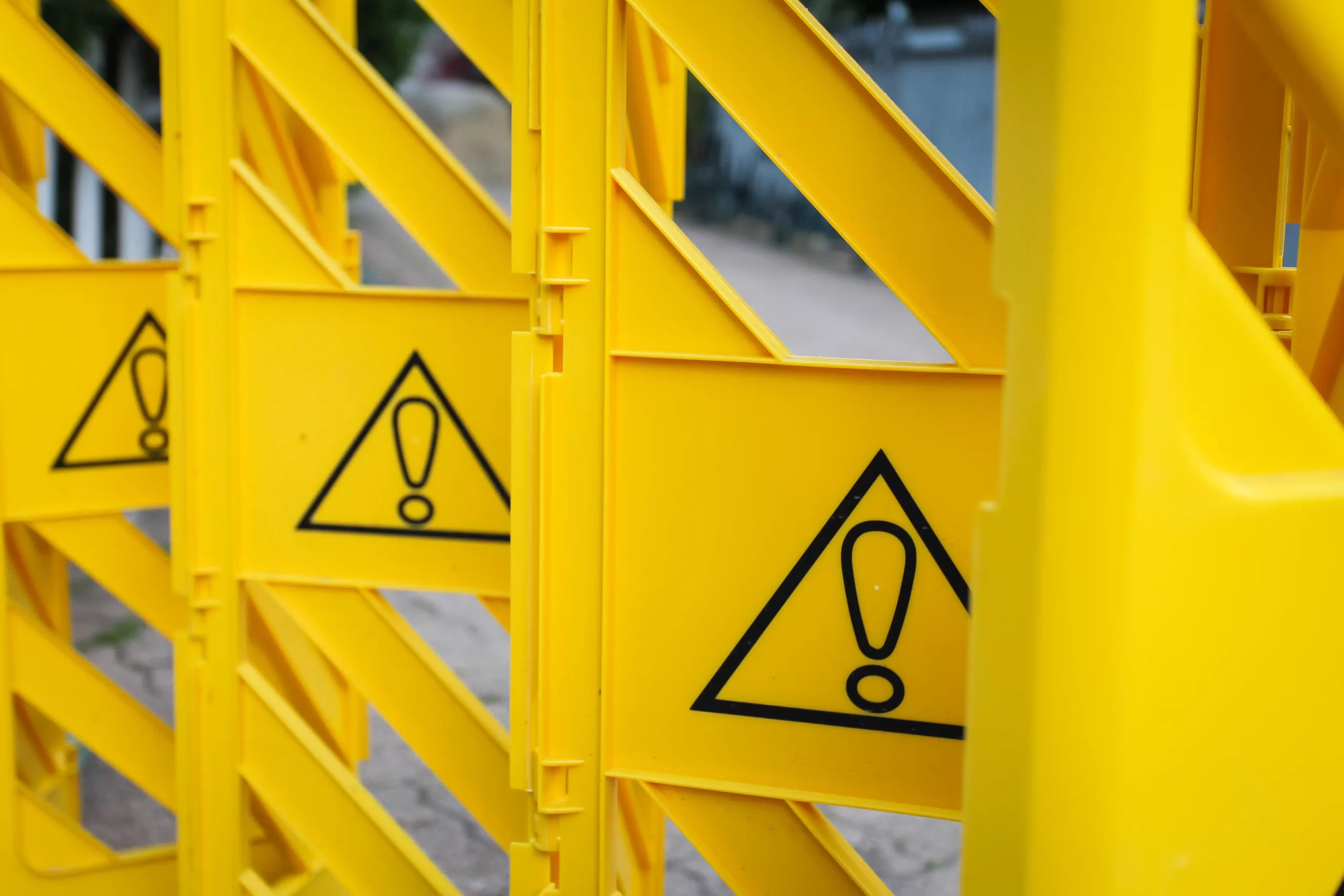
Hazardous areas are classified based on the frequency and duration of explosive atmospheres. Zones 0, 1, and 2 (for gases) and Zones 20, 21, and 22 (for dust) help determine the required level of protection. Accurate classification is essential for selecting compliant equipment and maintaining a safe working environment.
Types of Explosion Protection
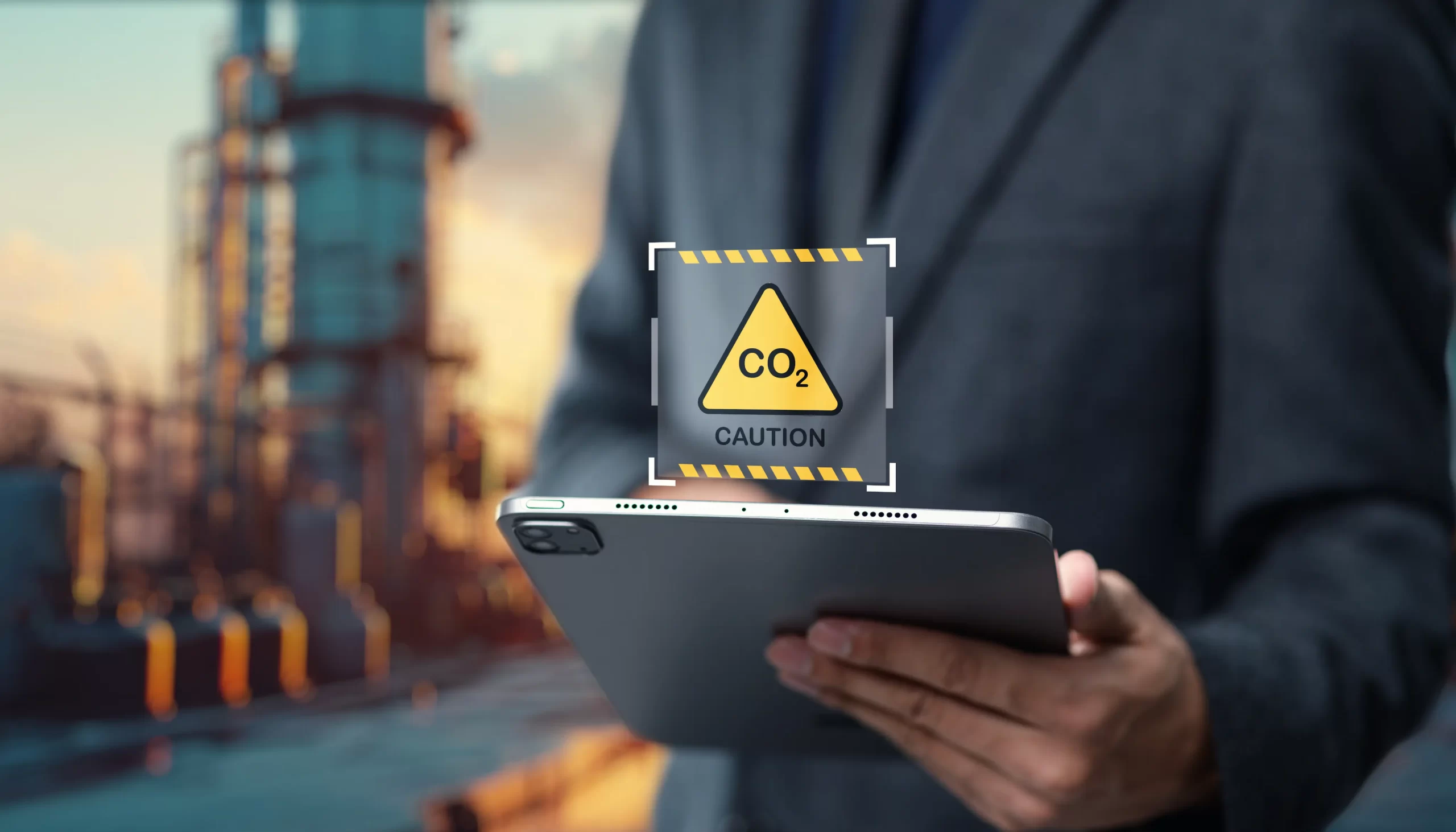
There are several types of explosion protection techniques, each designed to address different risks and environmental conditions. Common methods include flameproof (Ex d) enclosures, which contain any internal explosion; intrinsically safe (Ex i) systems that limit energy levels below ignition thresholds; pressurization (Ex p), which prevents explosive gases from entering enclosures; and encapsulation (Ex m), which isolates potential ignition sources.
Each method offers unique benefits and is selected based on the zone classification, equipment function, and site requirements. Choosing the correct protection concept ensures compliance with standards and maximizes operational safety in hazardous areas.
Certificates
Explosion-proof equipment must be certified by recognized bodies to ensure it meets stringent international and regional safety standards. These certifications include ATEX (EU) and IECEx (International), each of which has specific criteria regarding product testing, manufacturing, and performance in explosive environments.
Certificates are not just formalities—they serve as a guarantee that the equipment has been independently verified to function safely within designated hazardous zones.
IP Rating
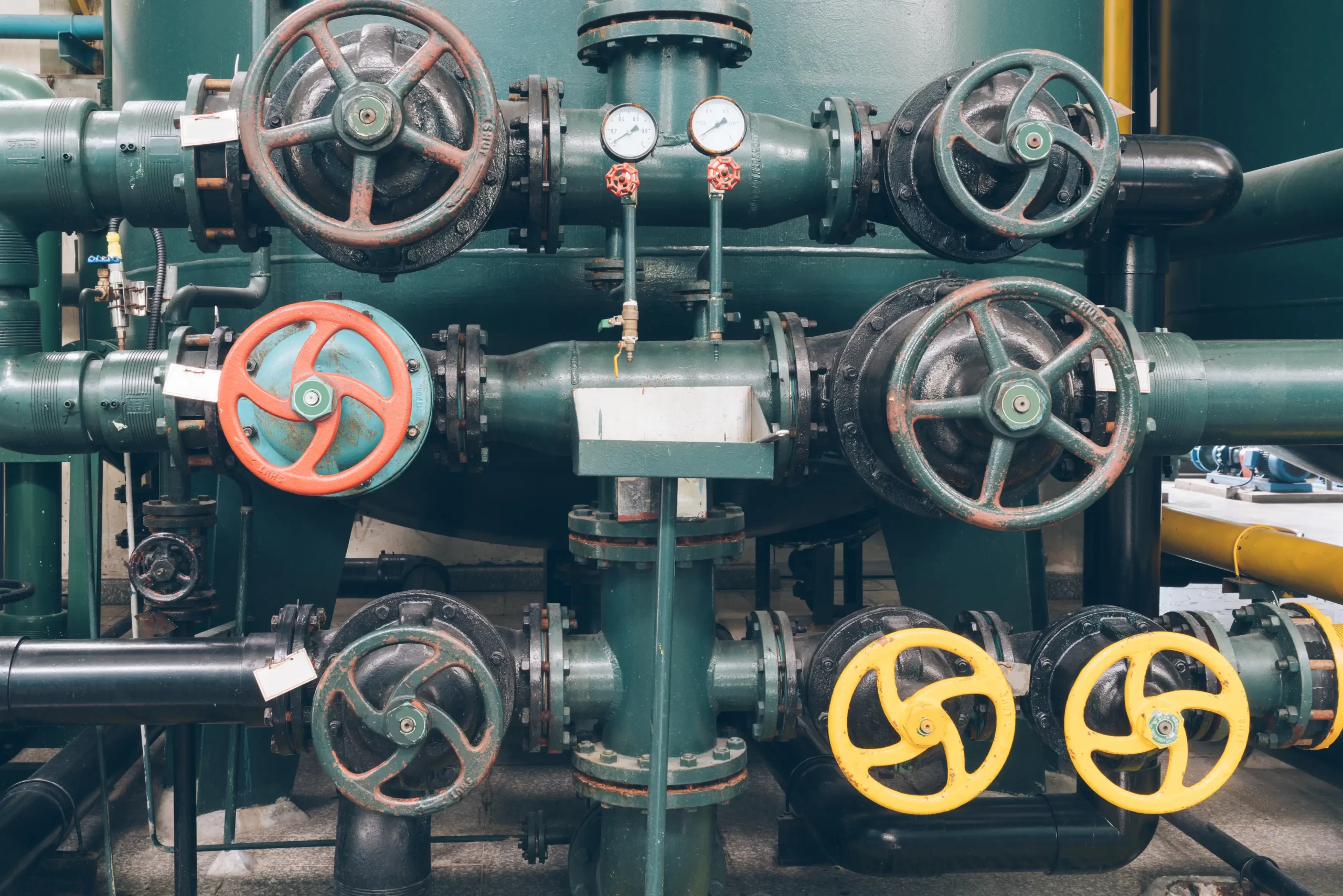
The Ingress Protection (IP) rating system defines the level of protection that an enclosure provides against the intrusion of solids (like dust) and liquids (like water). Expressed in the format “IPXX”, the first digit relates to solid particle protection, while the second digit indicates liquid ingress resistance. For instance, a rating of IP66 means the device is dust-tight and protected against powerful water jets.

Get Started Today
Engineered for Zone 1 and Zone 2 environments, our explosion-proof phones, and accessories meet global compliance standards to ensure reliable field connectivity in the harshest industrial conditions.
 HAEXC Mobile Pte Ltd